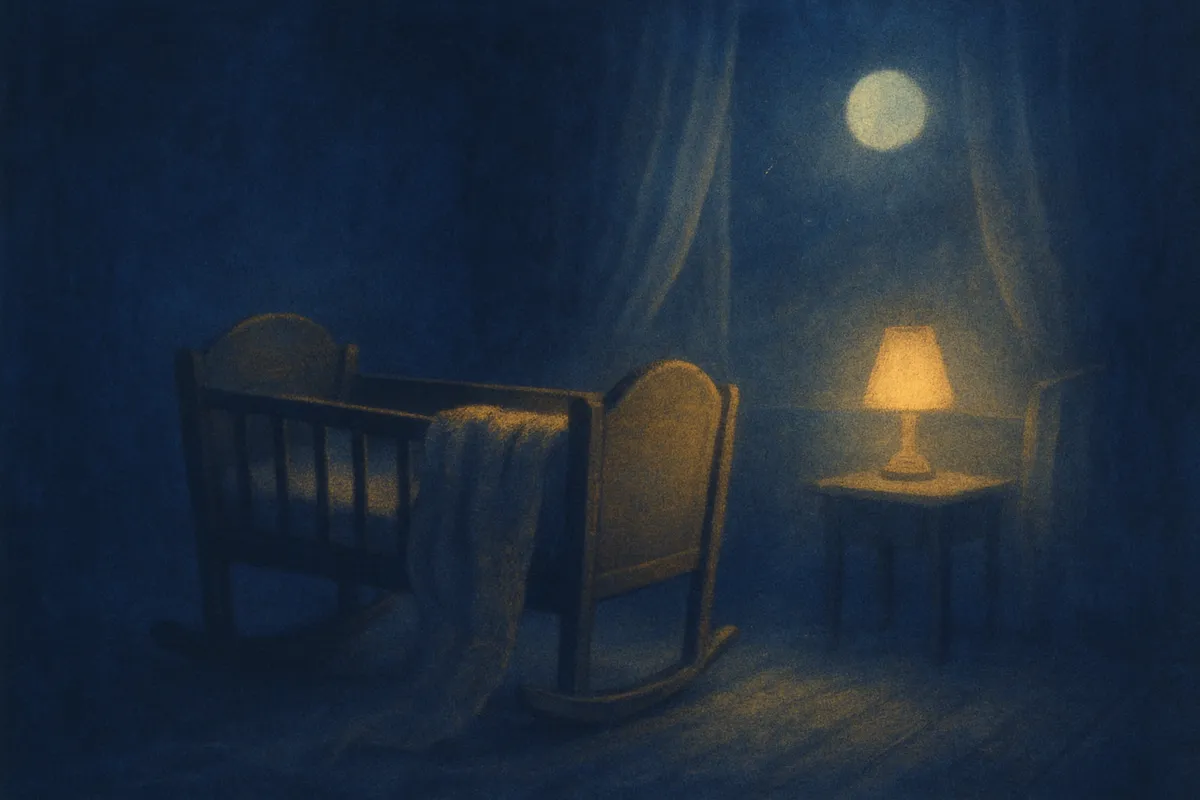
A baby in a dream wakes tenderness and alarm in almost equal measure — and it visits everyone, not just parents. It is one of the most widely searched dream symbols in the world, and one of the oldest entries in the dream books, which agreed on something modern dreamers find surprising: the baby is almost never about a baby.
What the traditions say
The dream traditions quarrel over almost everything — they split sharply on gold, and they hedge every reading of the snake — but about babies they largely concur. The old European folk books read a baby as a new beginning: a venture, news, an arrival. For them the baby was rarely literal — it was something young that would need tending, and the baby's state carried the reading: a healthy, calm child promised good growth; a crying child, small worries multiplying.
The tabir tradition attributed to Ibn Sirin reads the infant with a phrase worth keeping: a blessing that binds — new provision, new worry, or both at once. A beautiful, healthy child signified good arriving; carrying an infant meant taking on a responsibility; a crying child, a matter in the household calling for care.
The Polish sennik canon gives one of its warmest entries: a baby means joy, news, a small beginning; a baby laughing, good fortune in the house; holding a baby, a responsibility gladly taken. Even here the crying variant keeps its gentle edge — minor worries that want early attention.
And Artemidorus' signature idea applies with particular force: the same symbol means different things for different dreamers. A baby dreamed by someone launching a business, someone newly in love, and someone actually expecting a child are three different dreams wearing one face.
What psychologists notice
The psychological reading gathers all of this into one line: the baby is something new and vulnerable in your care. A project just started, a relationship still fragile, a version of yourself only beginning to exist — whatever it is, it is young, it is yours, and it cannot look after itself yet.
Psychologists also notice where the anxiety collects. Anxious baby dreams — losing the baby, forgetting it, dropping it — are among the most common dreams people report, and they track responsibility worry, not parental failing. The dream isn't accusing you of anything. It's measuring how much you care about getting the new thing right, which is usually a great deal.
A question to sit with
What in your life right now is newly begun and still fragile — and is it getting the tending it needs, or only the worrying?
If the baby was calm
The bright reading, in every tradition. The folk books read a healthy, calm child as good growth ahead; the tabir tradition read a beautiful, thriving infant as good arriving; the sennik canon put a laughing baby down as good fortune in the house. The modern ear hears something simpler: the new thing in your care is doing well, and some part of you knows it.
If the baby was crying
Notice how gently every tradition treats this. Not disaster — small worries multiplying, says the folk canon; minor worries that want early attention, says the sennik; a matter calling for care, says the tabir tradition. The shared advice is timing: whatever is fussing in your waking life, it wants attention now, while the tending is still easy.
If you lost or forgot the baby
This is the variant that sends people to a dream dictionary at 3 a.m., so let's be plain: psychologists read it as a responsibility dream, not a prophecy and not a verdict. Forgetting the baby in a dream is what conscientiousness looks like when it sleeps — it visits new parents, yes, but just as often new managers, new founders, new caretakers of anything. The old books, notably, have no dark entry for it. If you want the fuller argument for why no dream forecasts anything, we've written it out in do dreams predict the future? If a dream like this regularly leaves you distressed, that's worth mentioning to someone you trust.
A dictionary can tell you what babies mean in general. It can't see that yours was asleep in your childhood bedroom, or that it appears every time you're about to start something new. That's the part only your own dreams, remembered together, can answer — and it's exactly what Dreamlock is built to do. Until then, the habit that helps most is simply remembering more of your dreams.