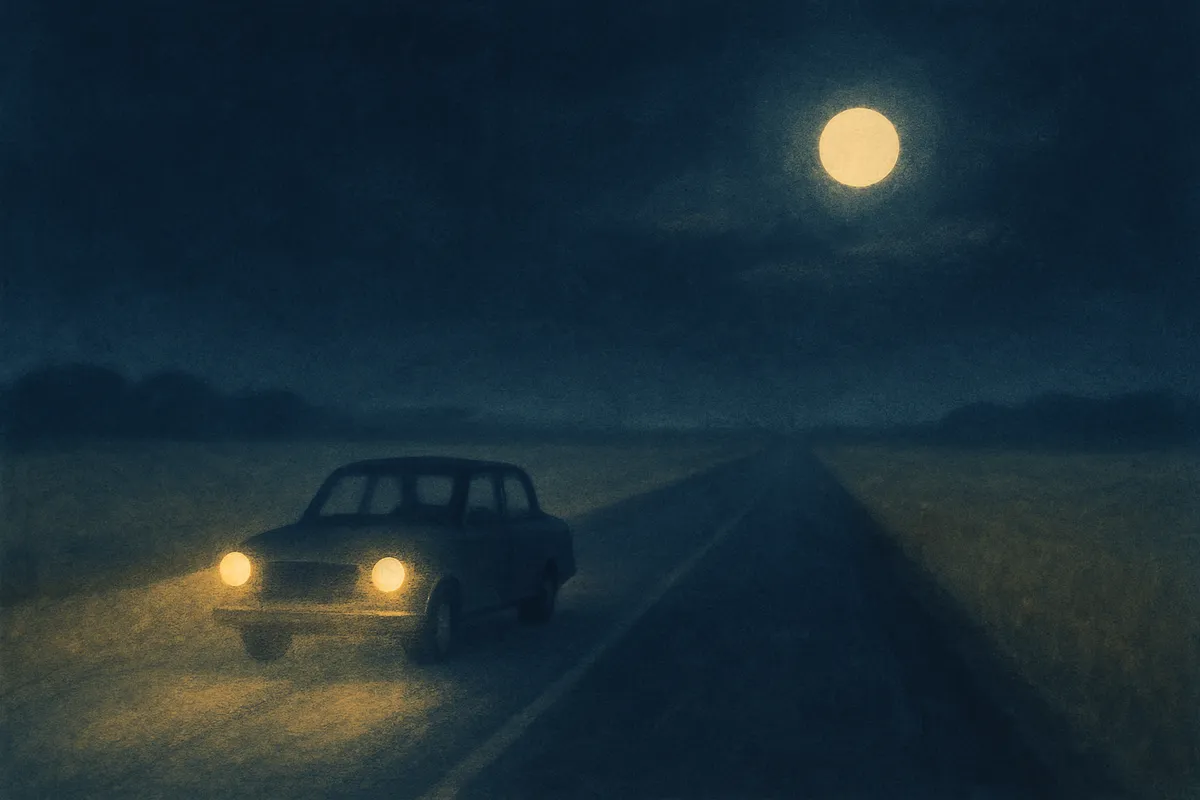
Car dreams are dreams about steering. Almost nobody dreams of a car as scenery: it's a car you're driving, failing to drive, or watching leave without you. The car long ago stopped being a machine in the dream world and became a question: who is moving your life, and can they stop it?
| Variant | What the old books read | Source |
|---|---|---|
| Riding in a car | Restlessness, a change in one's affairs | Miller 1901 |
| A car that breaks down | A pleasure falling short of its heights | Miller 1901 |
| Jumping out of a car's path | Avoiding a rival, as far as honesty allows | Miller 1901 |
| Looking for your car | Disappointment in winning someone over | Miller 1901 |
| Buying a car | Regaining a former position | Miller 1901 |
What does it mean to dream about a car?
The dream books are older than the car, so the readings are few and late. Miller's 1901 dream dictionary (Ten Thousand Dreams Interpreted), written when motor cars were still a novelty, has an "Automobile" entry, one of the earliest dream-book readings of the car. Miller read it as restlessness and change: riding in one meant unease in pleasant conditions and a shift in the dreamer's affairs, with a warning against impolitic conduct. A breakdown meant a pleasure falling short.
Alongside it sits his general "Vehicle" entry, written for any conveyance. There he was gloomier about riding, reading it as a threatened loss, and brighter about buying, which meant getting back a former position. The two entries don't quite agree on the ride: in 1901 the motor car had not yet settled into one meaning.
What Miller never met are many of the car dreams people search for now: failing brakes, a stolen car, a car parked somewhere and gone. For those this page gives the modern reading and says so plainly.
Who was driving and how it went
These are readings from the old dream books, reported as history — no dream foretells the future.
What if you weren't the one driving?
You sit in the passenger seat, or the back, and someone else steers. Miller read riding in an automobile as restlessness under pleasant conditions and a change in one's affairs; in his "Vehicle" entry, riding meant a threatened loss. Psychologists tend to ask first who was driving: the passenger seat often accompanies a felt loss of agency. The useful question is whether you chose your driver.
Was your dream different? Dreamlock reads the one you actually had →
What if the brakes failed or the car wouldn't stop?
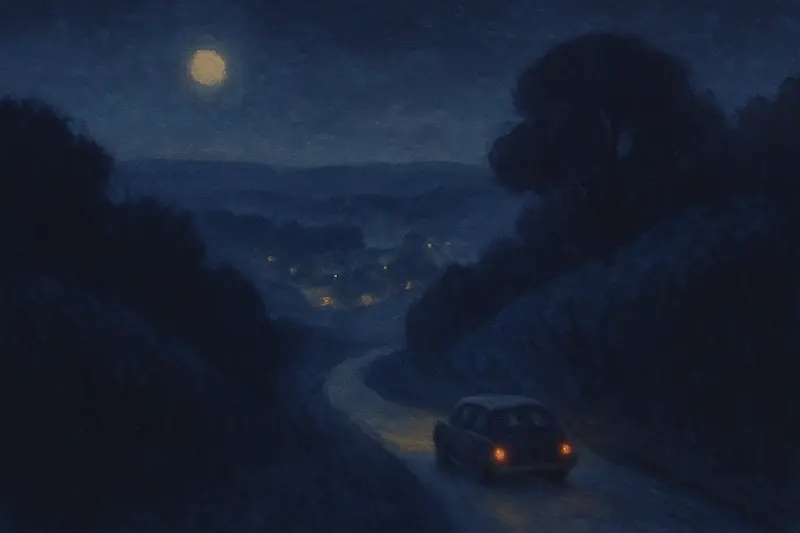
The pedal sinks and nothing happens. Miller's automobile entry has no brakes in it; the scene belongs to later drivers. The modern reading is sharp: something in your life is already in motion, a decision, a relationship, a pace of work, and part of you doubts it can be stopped. Note what you were speeding toward. That destination is rarely random.
Was your dream different? Dreamlock reads the one you actually had →
What if the car wouldn't start or broke down?
The key turns and the engine coughs, or the car dies on the shoulder. Miller read an automobile breaking down with the dreamer in it as a pleasure whose enjoyment "will not extend to the heights you contemplate"; his "Vehicle" entry read a broken vehicle more severely, as failure in important affairs. Dreamers often meet this scene at the edge of a beginning, where readiness has arrived but motion hasn't.
What if you had to jump out of a car's path?
Headlights, a horn, a leap to the kerb. Miller read escaping from the path of an automobile as a hint to avoid some rival as far as honesty allowed. It is the nearest his entry comes to the modern dream of nearly being run over. Psychologists hear something moving too fast in waking life, and a reflex to get out of its way. A collision itself belongs to car crash dreams.
Losing, finding and buying a car
What does it mean to dream your car was stolen?
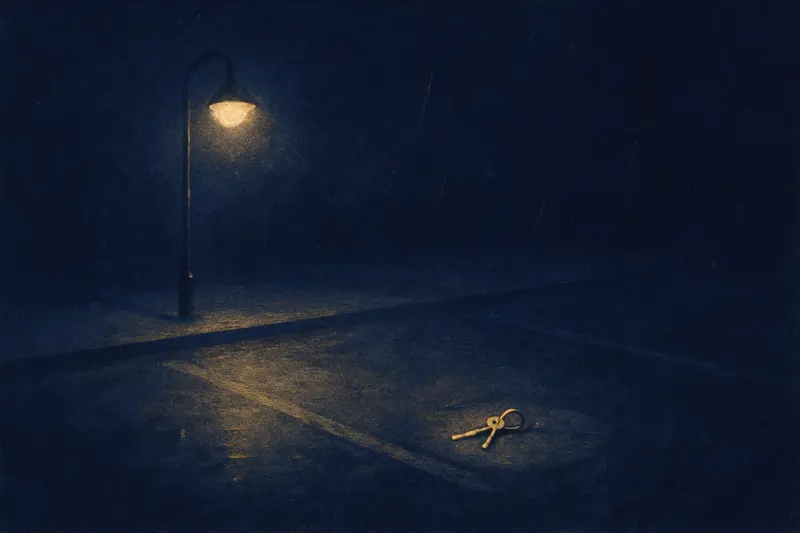
The space where you parked is empty. Miller, writing when cars were rare, has no stolen car. The modern reading follows what the car carries: independence, the ability to leave, a role you use to get around. Having it taken often accompanies a sense that something you relied on for freedom has been removed, by a person, a change at work or circumstance.
Was your dream different? Dreamlock reads the one you actually had →
What if you couldn't find your car?
Rows of cars, none of them yours, and the car park keeps growing. Miller's only line on searching is written for a young woman, who "will be disappointed in her aims to entice some one into her favor". Psychologists read the lost car more broadly as a lost sense of direction: you know you arrived somewhere, but not how to leave. It often comes during transitions.
What does it mean to dream of buying a car?
The new car, the smell of it, the keys in your hand. Miller's "Vehicle" entry read buying one as the dreamer regaining a former position, and selling one as an unfavourable change in affairs. The modern ear hears a choice about how to move forward: a new direction, bought and paid for, and whether it feels like yours.
What does a car dream mean psychologically?
Psychologists hear the car as directed movement through life, the vehicle the dreamer is using to get somewhere. What they notice most is that who is driving matters. The passenger seat tends to accompany a felt loss of agency; failing brakes, the fear of being unable to stop what is already in motion. And the car's condition, gleaming, rusted, borrowed, missing, tends to reflect how the dreamer privately rates their own momentum.
Where Jung might have asked what part of the dreamer sat at the wheel, the modern reading is more practical. A car dream is usually about one area of life that is moving, and about the dreamer's hands: on the wheel, off it, or searching the car park for it.
A question to sit with
In the part of your life that's moving fastest right now, are your hands on the wheel, or are you watching the road from the passenger seat?
In 1901 the automobile was still a novelty in Miller's pages. Only your own dreams can show that the brakes fail in the same season each year, or that your father is always the one driving. Those patterns emerge when dreams are kept and read together. That is what Dreamlock, on the App Store for iPhone, is built for: it listens to the dreams you record, paints them, and remembers the roads you keep taking.