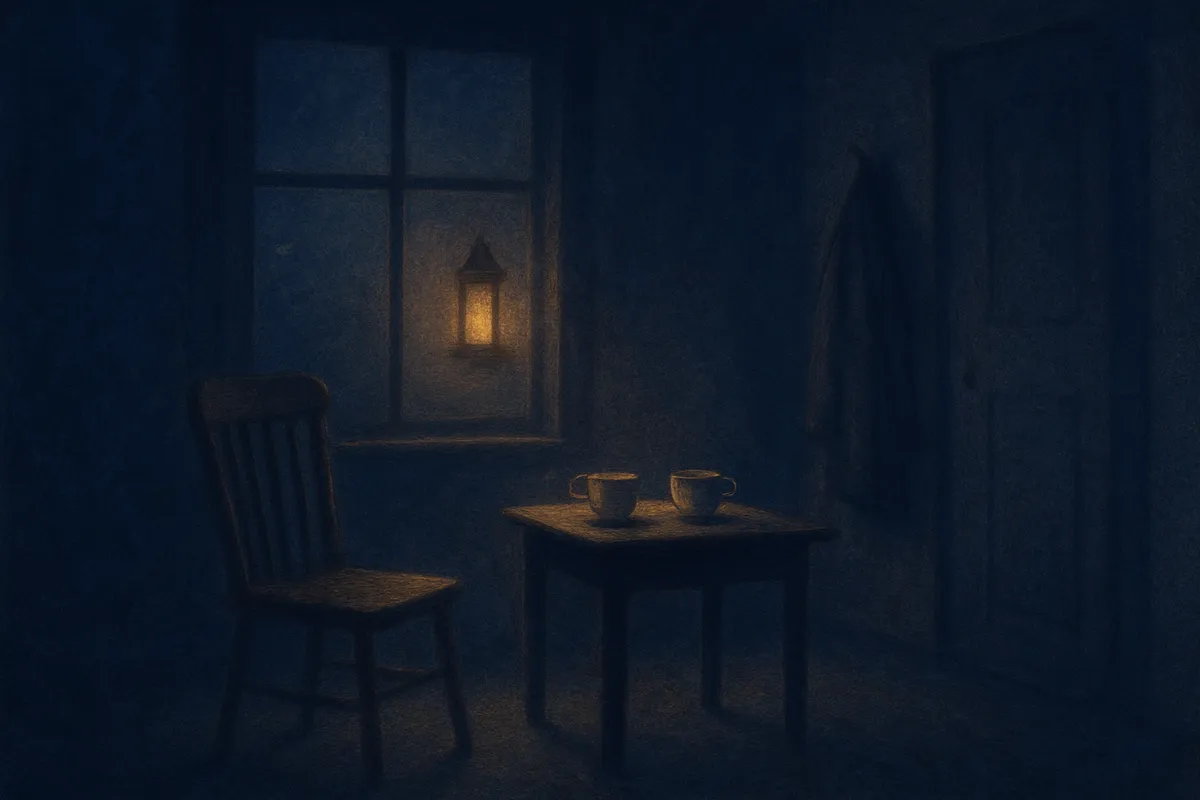
These are not dreams people look up idly. If you searched for this, someone is missing from your days — and last night, briefly, they were back. Whatever else is true of such a dream, it belongs among the most vivid and most treasured that people report, and every tradition that ever wrote dreams down handled this page with care.
What the traditions say
The old European dream books treated these dreams with a tenderness they extend to little else. The dead appearing calm and well meant matters settled — and remembrance owed. The dead speaking meant listen: their words were the message. The dead giving something: a gift or strength arriving. Only distress on the loved one's face shifted the reading, toward unfinished business the living should gently attend to.
The tabir tradition attributed to Ibn Sirin is, if anything, more careful still. The dead seen well — smiling, well-dressed — reflected their good state. Their words were treated as truthful counsel. And the tradition offered the dreamer a kindness the others did not think to write down: troubling dreams of the dead were not to be dwelt on, and not to be retold.
The Polish sennik canon is the gentlest of all. The dead visiting calm: protection, and remembrance owed. A dead father or mother speaking: advice to be taken seriously. And its counsel to the dreamer reads almost like liturgy — light a candle; finish what they'd have wanted finished.
It is worth noticing what is missing here. On most symbols the traditions argue — on gold they flatly contradict one another. On this dream they do not. Calm visit, good sign; their words, worth keeping; their gift, a blessing. Across centuries and continents, the interpreters agreed to be kind.
What psychologists notice
Psychologists treat these dreams with the same respect the old books did. The modern view has a name — continuing bonds — and it says something quietly radical: grief does not end a relationship, it changes the relationship's form, and these dreams are the mind maintaining that bond. Not pathology. Not denial. Ordinary, healthy, and often among the dreams people hold dearest for the rest of their lives.
There is a rough shape to them, too: comforting visits tend to come later in grief, distressing ones earlier — and both are ordinary, two stages of the same work.
You may notice we haven't said whether your loved one was really there. We won't — no one can say, and our honest position on dreams generally is that they reflect the dreamer, not the future. But nothing about that position requires deciding what these dreams are. The traditions believed the dead truly came; psychology describes a bond continuing in changed form. The comfort is real either way, and it is not naive to accept it.
A question to sit with
If you could keep one thing from the dream — a sentence they said, or just the way the room looked with them in it — what would it be? That is usually what the dream came to give you.
If they seemed well
This is the dream most people mean when they say I saw them last night: your person, whole, unhurried, looking like themselves. The old dream books read it as matters settled; the tabir tradition, as a reflection of their good state. Psychologists notice these are the visits that tend to come later in grief, once the bond has found its new shape. Most dreamers wake sad and grateful in the same breath. Both belong.
If they spoke to you
Every tradition leans in here. The old books held that the words were the message — the rest of the dream only the room they were said in. The tabir tradition went further and heard the dead's words as truthful counsel; the sennik says a parent's advice is to be taken seriously. The psychological reading is quieter but rhymes with them: what they say in your dream is composed from everything you knew of them, which makes it, in a real sense, their voice as you carry it. Words are the first thing a dream loses — if you want to keep them, write them down before you're fully awake.
If they gave you something
One of the warmest readings in any tradition. The tabir interpreters read a gift from the dead as good fortune arriving; the old European books, as a gift or strength being passed to you. The modern ear hears inheritance in the oldest sense — something of theirs that is now yours to carry.
The tabir tradition did read the dead taking something from the dreamer more guardedly. If that was your dream, hold it lightly: the same tradition's counsel was not to dwell on the troubling ones, and dwelling is not owed. Often what is taken in such a dream is simply what grief already knows is gone.
If the dream was distressing
Distressing dreams of the dead cluster early in grief, while the loss is still finding its place — psychologists consider them ordinary, part of the same work the comforting dreams do later. The old books read distress on a loved one's face as unfinished business to attend to, and sometimes that is genuinely useful: an apology to make, a task of theirs to finish, a candle to light. But often it is simply grief, dreaming. If dreams regularly leave you distressed, that's worth mentioning to someone you trust.
A dictionary can tell you what these dreams have meant to the traditions. It cannot hold the particular one in which your mother was at the stove again, or your friend laughed the way only they laughed. Dreams like these are not really asking to be decoded — they are asking to be kept. That is the quiet reason Dreamlock exists: a private, locked place where a dream is written down while it's still warm, painted, and stays — dreams of them, kept. It's coming soon. Until then, a notebook by the bed will hold more than you'd think.